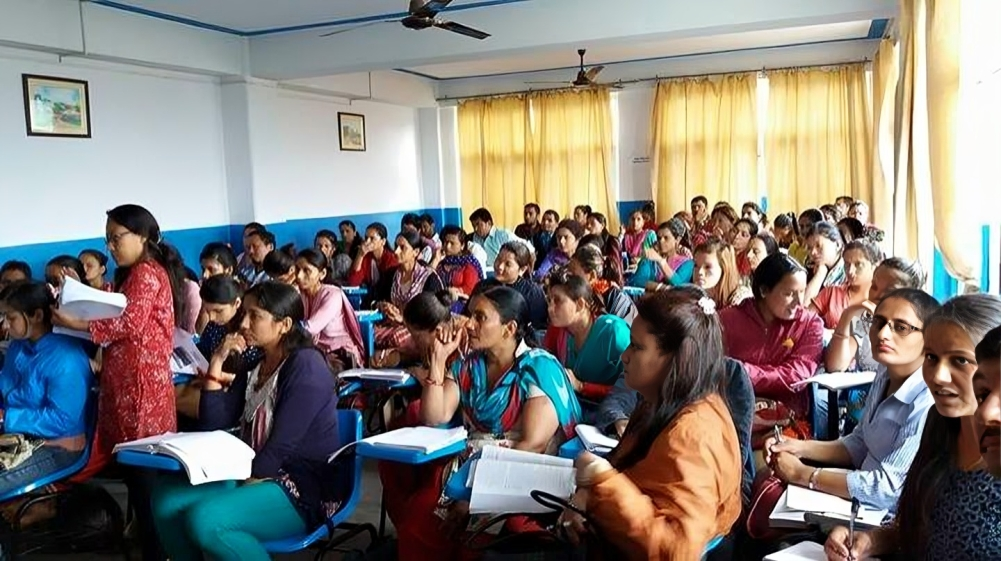
Beginning Korean for EPS-TOPIK preparation requires patience, regular review and a clear separation between language learning and official employment procedures. A class can help you build the language areas in its course outline. Official eligibility, application and employment information should come from the responsible official sources.
Golden Eye Academy lists its active Korean options in the language course category. Beginners can use this checklist to prepare for a more focused conversation before choosing a class.
Build a careful Hangul foundation
Hangul is the writing system used for Korean. Spend enough time recognizing and producing common letter combinations rather than depending on Romanized spelling. A strong reading foundation makes vocabulary and listening practice easier to organize later.
Read short syllables aloud, write them by hand and compare what you wrote with a reliable model. Accuracy matters more than rushing through a long list in one session.
Create a vocabulary routine you can repeat
Learning many words once is less useful than reviewing a manageable group several times. Organize vocabulary by topic, use words in simple sentences and note the words you repeatedly forget. Combine reading, writing and listening so a word is not connected to only one type of practice.
- Review a small set of words every day.
- Say and write each word in context.
- Revisit mistakes instead of hiding them.
- Use short listening examples to connect sound and spelling.
- Keep a weekly review session for older material.
Develop listening and reading together
Listening becomes easier when you recognize vocabulary and sentence patterns quickly. Reading practice supports that recognition. Use short material, listen more than once and check why an answer was correct or incorrect. Avoid measuring progress only by the number of exercises completed.
When reading, first look for familiar words and grammar. Then identify the main idea and the detail the question asks for. A consistent method can reduce confusion during timed practice.
Use official information for official decisions
Exam format, schedules, eligibility and application procedures can change. Confirm those details through the responsible official channels. Language preparation and employment processing are different responsibilities, and neither an article nor a classroom conversation should be treated as an official decision source.
Choose between foundation and exam-focused learning
A learner completely new to Korean may benefit from a foundation-focused starting point. Someone who already reads Hangul and has basic vocabulary may be ready for a course with more EPS-TOPIK-oriented reading, listening and exam practice. Describe your current level honestly when asking about classes.
Compare the published Basic Korean Course and Professional Korean EPS-TOPIK pages. The course names, descriptions and outlines can help you frame the questions you want to ask.
Plan for steady practice
Language learning benefits from regular contact with the material. Choose a batch that leaves room for review between classes. Plan a realistic routine around school, work and travel. Consistent shorter practice is often easier to sustain than occasional long sessions.
Questions to ask Golden Eye Academy
- Which course matches my current reading and vocabulary level?
- What learning areas are emphasized in the current class?
- What is the listed duration and current fee?
- Which current batch fits my timetable?
- Who is associated with the current class?
Track mistakes instead of only counting practice
A notebook of recurring errors can be more useful than a long list of completed exercises. Divide mistakes into reading, vocabulary, grammar, listening and instructions. For each one, write the correct form and a short reason you missed it. Revisit that list during weekly review so the same pattern receives deliberate attention.
Use small progress checks that you can repeat. For example, read a short passage, review a vocabulary group after several days or listen again to material you previously found difficult. Improvement may appear as fewer repeated errors, quicker recognition or a clearer explanation of why an answer is correct. That evidence helps you choose the next area to practise.
When an error remains unclear, take one example to class instead of hiding it. A focused question can connect vocabulary, grammar and test instructions more effectively than guessing. Keep official exam information separate from language notes so that an old schedule or procedure is not mistaken for a current rule.
Review the active Korean courses, then Ask for Course Help when you are ready to compare the starting options.